Introduction about How to Make Broccoli Pasta
There’s a reason broccoli pasta has earned a permanent spot in so many weeknight dinner rotations. It’s the kind of pasta dish that feels like it came straight from an Italian grandmother’s kitchen — humble, comforting, and built around just a handful of pantry staples. With tender broccoli, plenty of garlic, and a generous pour of good olive oil, this broccoli pasta with garlic turns simple ingredients into something genuinely crave-worthy.
What makes this pasta with broccoli recipe so appealing is how forgiving it is. Home cooks don’t need fancy equipment or hard-to-find groceries — most of what they need is probably already in the cupboard. The broccoli softens until it practically melts, the garlic and olive oil mingle into a light coating, and a shower of parmesan ties everything together. It’s proof that a great broccoli recipe doesn’t have to be complicated.
Best of all, this is a genuinely quick recipe. From the moment the water hits the large pot to the final twirl of pasta and broccoli on the plate, the whole thing comes together in about half an hour. The sections below walk through everything: the short ingredient list, the step-by-step method, a few smart variations, and answers to the questions people ask most about this beloved pasta and broccoli combination.
Pasta with Broccoli: Ingredients
This is the heart of the broccoli pasta recipe — the short, simple list of groceries that becomes a satisfying bowl of broccoli and pasta. One of the best things about this dish is that it relies on roughly 5 ingredients, most of them staples:
- Pasta of choice — short shapes like orecchiette, shells, or penne work beautifully, but any pasta recipe favourite will do.
- Broccoli — fresh broccoli is ideal, though frozen broccoli works in a pinch (more on that below).
- Fresh garlic — the backbone of the flavour.
- Olive oil — a good extra-virgin olive oil makes the garlic and olive oil base taste rich.
- Parmesan cheese — freshly grated for the best melt.
A pinch of salt and pepper rounds things out, and a scatter of red pepper flakes adds gentle heat for anyone who likes a little kick. That’s it — garlic and cheese, broccoli, oil, and noodles.
Pasta with Broccoli: Directions
With the ingredients ready, the rest comes together fast. The directions are broken into clear stages so nothing feels rushed.
How to Cook the Broccoli and Pasta
The method starts the way most pasta recipes do, by bringing a large pot of water to a rolling boil and salting it well. Once it’s bubbling, the pasta goes in to cook until just al dente.
Here’s the clever part: rather than dirtying a second pan, the cook can add the broccoli florets to the same pot during the last few minutes. Trimming the broccoli stem and cutting the head into small florets helps everything cook evenly, and dropping each floret into the boiling water lets it turn tender right alongside the noodles. A slotted spoon makes it easy to lift the softened broccoli out if needed.
Before draining, it’s worth setting aside a mug of the starchy pasta cooking water — that reserved pasta water is the secret to a silky finish. Then it’s time to drain the pasta and broccoli together.
Making the Creamy Broccoli Sauce
This is where the magic happens. With the broccoli now soft, the cook can mash the broccoli right in the warm pan, loosening it with a splash of the reserved pasta cooking water until it relaxes into a rustic broccoli sauce. The starch in that cooking water helps the mixture turn glossy and creamy without any cream at all.
A little olive oil, the sautéed fresh garlic, and a pinch of red pepper flakes get stirred through, building that classic garlic and red pepper flavour. As the sauce comes together, it gently coats the pasta, clinging to every shape and turning the whole bowl into something that tastes far richer than its short ingredient list suggests. A few extra spoonfuls of pasta water can be added anytime the mixture looks dry.
Finishing with Parmesan
The final flourish is cheese. Off the heat, the cook can grate a generous amount of parmesan straight into the pan and toss until it melts into the creamy sauce. The parmesan cheese adds salt, depth, and just enough body to make the dish feel indulgent. A final taste for salt and pepper, and the broccoli pasta is ready to serve.
Using Frozen Broccoli
When fresh isn’t an option, frozen broccoli is a reliable stand-in. There’s no need to thaw it first — the florets can go straight into the boiling water, though they may need a minute or two longer to soften. Because frozen broccoli tends to be a touch more watery, holding back slightly on the reserved pasta water keeps the sauce from turning thin.
Adding Sausage and Broccoli
For a heartier meal, sausage and broccoli is a natural pairing. Browning crumbled Italian sausage before building the sauce adds savoury richness, and the rendered fat carries the garlic flavour beautifully. It turns a light supper into a full plate without changing the simple spirit of the recipe.
How to Reheat Broccoli Pasta
Leftovers keep well for a couple of days in the fridge. To reheat, a splash of water or olive oil in a warm pan brings the sauce back to life and stops the noodles from drying out. Gentle heat is best — a low flame and a little patience keep the texture creamy.
Nutrition Facts
Exact nutrition facts will vary depending on the pasta of choice, the amount of olive oil, and how much parmesan cheese ends up in the bowl. In general, though, this is a balanced pasta dish: complex carbohydrates from the noodles, fibre and vitamins from the broccoli, and healthy fats from the olive oil. Choosing whole-grain pasta and a lighter hand with the cheese makes it even friendlier for everyday eating.
Recipe Video
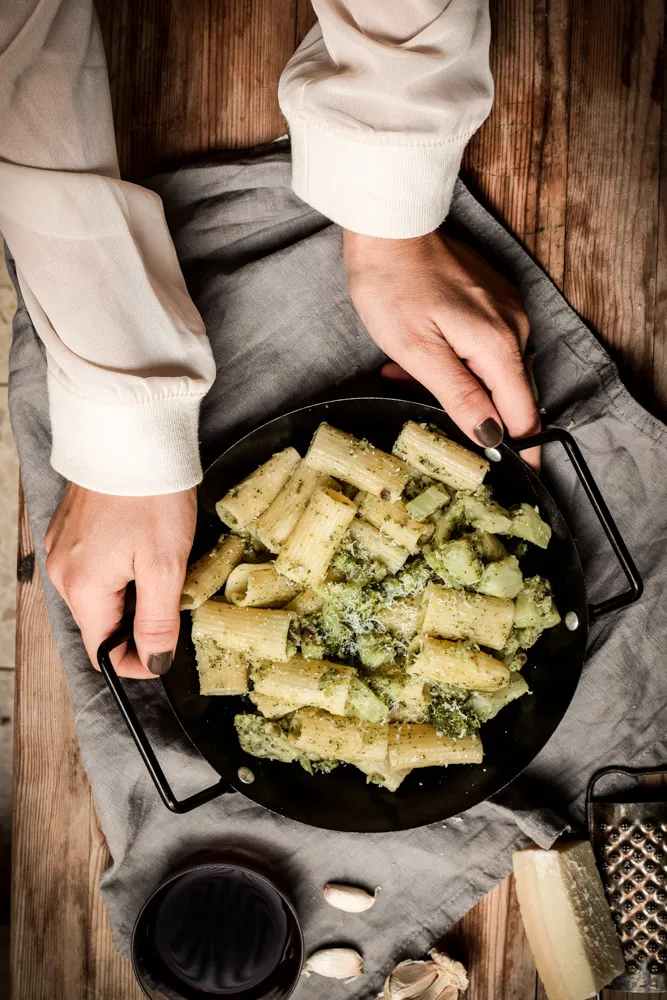
A short recipe video can be a big help for anyone who likes to see each step in action — from chopping the broccoli florets to the final toss with parmesan. Watching how the broccoli sauce comes together and how it coats the pasta makes the whole process feel even more approachable.
