When you need to prepare chicken breast quickly and conveniently, boiling is one of the best methods to get it just right every time. This step-by-step guide will help you achieve tender, juicy, and easy-to-shred chicken breasts that will work wonders in a variety of dishes like BBQ burrito bowls, soups, and even simple salads. Whether you’ve got leftovers in the fridge or need to quickly cook a few chicken breasts, the process is straightforward and hassle-free.
The beauty of boiling chicken is in its swiftness and how it delivers perfectly cooked meat without the mess or fuss of frying or roasting. Unlike the crackly crunch of fried chicken or the smoky char of grilled pieces, boiling provides a clean, simple method for cooking chicken breast. Plus, it’s the perfect meal prep solution, especially when you need to add flavors to your favorite dishes.
You can shred or slice the chicken and toss it into any dish, whether it’s a weeknight meal or something special. By following these instructions, you’ll never have to worry about hard, rubbery chicken again. The perfect method is here, and you’ll be able to pat yourself on the back tomorrow for making it so easy.
Moist and Tender Cooked Chicken
When you want silky and tender chicken without any fuss or fanfare, poaching is the way to go. This recipe ensures the chicken cooks gently, retaining its natural moisture better than other cooking methods. By adding herbs and seasonings to the poaching liquid, you allow the flavors to soak in as it cooks, resulting in a tasty chicken and a flavorful broth at the end.
How I Boil Chicken
My method for boiling chicken is incredibly simple and straightforward. I cover the chicken with about an inch of water in a pot and bring it to a boil. Once the water starts boiling, I lower the heat so it’s simmering gently. After that, I cover the pot and let the chicken cook until it’s perfectly done. It’s as easy as that!
Boiled Chicken vs. Poached Chicken
The term boiled chicken is a bit of a misnomer. You’re not actually boiling the chicken for the entire time as that would lead to tough, dry meat. Instead, you boil it initially just to bring the liquid up to temp, and then finish the cooking process in the simmering liquid.
Technically, this method is called poaching, which involves simmering ingredients in a small amount of liquid. In the end, there’s no real difference between boiled chicken and poached chicken when using this technique for the recipe.
How Long to Boil Chicken Breast
Step One
For Step One, add 1-2 pounds of thawed, boneless, and skinless chicken breasts to a medium pot. Then, fill the pot half way with cold water, making sure the chicken breasts are fully covered. This step ensures that the chicken will cook evenly and stay moist during boiling.
Step Two
For Step Two, place your pot on the stove and add 1 tablespoon of salt to the water. Turn the heat to medium-high and wait for the pot to come to a slow boil. This will ensure the water is at the right temperature before you start cooking your chicken breasts.
Step Three
As soon as the water starts to boil, turn the temperature down to low or medium-low, depending on your stove setting. Cover the pot with a lid, but make sure to crack the lid slightly so the steam can escape. Then, simmer your chicken breasts for at least 1 hour or until the internal temperature reaches 165°F. It’s important not to boil the chicken at a high temperature once the water initially boils. Instead, turn the heat all the way down and let the chicken simmer low and slow for about 1 hour to ensure it’s fully cooked.
Step Four
After your chicken breasts have simmered for about 1 hour, remove the breasts from the pot and place them on a plate or cutting board. Allow the chicken to rest for 5 minutes. You can also choose to simply turn off the heat, remove the pot from the heat, and let the chicken stay in the pot for a few extra minutes while you prep the rest of your food.
Step Five
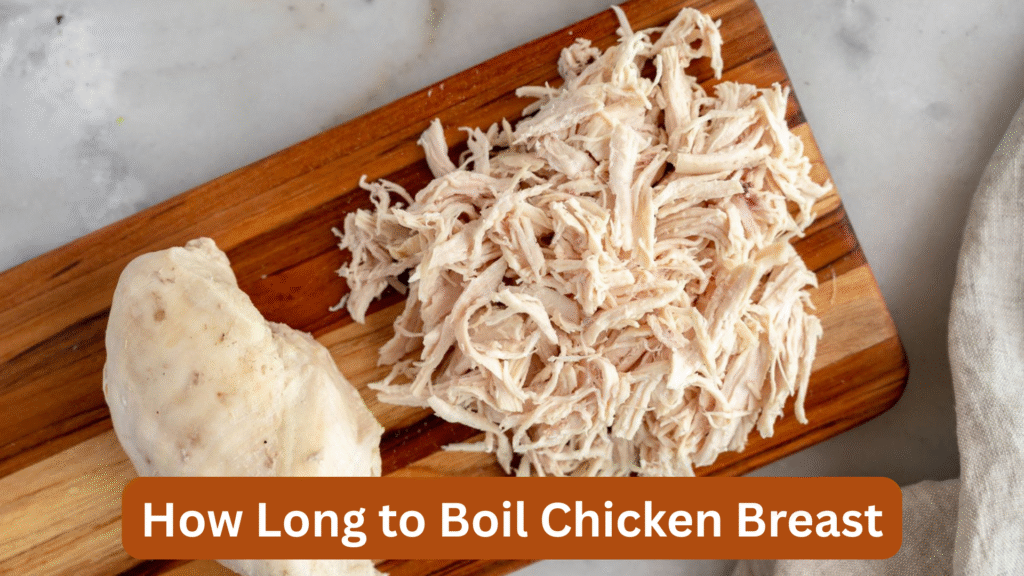
After your chicken has rested for about 5 minutes, you can carefully and easily shred or chop the chicken, depending on your personal preference. I usually prefer to shred mine and add it to soups or casserole recipes, where it blends perfectly with the other ingredients and adds great flavor.
Frozen or Thawed Chicken Breasts?
When boiling chicken breasts, I always prefer using thawed ones for better results. If the chicken is frozen, I’ll either let it thaw overnight in the refrigerator or place it in cold water in the sink for 2-3 hours. It’s fine if the chicken isn’t completely thawed but starting with mostly or partially thawed chicken helps the cooking process.
If you decide to boil frozen chicken breasts, keep in mind it will take longer to cook. You’ll need to add about 30 minutes to your cook time. To be sure the chicken is done, check the internal temperature with a meat thermometer. The thickest part of the chicken breast should reach 165°F for it to be fully cooked.
Can You Boil Chicken Thighs, Too?
- This method is often used for cooking chicken breasts, but it can also be used for chicken thighs.
- Boneless chicken thighs take about 10 minutes to cook, while bone-in chicken thighs take about 15 minutes.
You can cook as many breasts or thighs at once as you want, but make sure they are in a single layer in the pan. Use a pan that’s big enough to hold everything so they cook evenly.
Add Flavor to Your Boiled Chicken
To add flavor to your boiled chicken, try seasoning the poaching liquid with ingredients like peppercorns, bay leaves, lemon slices, and garlic. For extra zest, you can also include sliced ginger, sliced scallions, fresh rosemary, thyme, or even orange slices. These simple additions will make your chicken more flavorful and enhance your dish.
A Million Ways to Use Boiled Chicken
Chicken Salad
A quick and delicious way to use boiled chicken is in a chicken salad. Start by mixing mayo and vinegar for a creamy base, then add your favorite mix-ins. You can use grapes for a sweet touch, diced Gouda for a savory flavor, and toasted walnuts for crunch. If you want a tangy twist, add pickled celery, slivered scallion, and a sprinkle of poppy seeds for extra flavor.
Leafy Salad
A leafy salad is the perfect desk lunch when you want something light and refreshing. Start with a base of arugula or romaine, then add some feta or blue cheese for a bit of creaminess. To make it more filling, toss in some warm croutons and cucumbers for crunch. Drizzle the salad with a generous amount of oil and vinegar or go for a creamy buttermilk mayo dressing to add flavor and richness. You can even throw in some pickled vegetables if you want a little tang!
Open-faced Toast
Open-faced toast is a simple and tasty way to enjoy boiled chicken. Start with a slice of your favorite bread, and top it with smashed avocado and a ginormous squeeze of lemon for freshness. For extra richness, add a dollop of whole-milk yogurt and a drizzle of chile oil. You can also experiment with burrata and kale pesto for a creamy, flavorful twist. If you prefer something with a bit of tang, barbecue sauce, cabbage slaw, and a spread of chive cream cheese go perfectly with the chicken. Don’t forget to finish it off with some pickled onion for an added zing!
All the Pasta
When it comes to adding boiled chicken to pasta dishes, the options are endless. From no-cook sauces like butter and grated Parmesan to hearty, slow-simmered ones like puttanesca, adding shredded chicken to your favorite noodle dish will take it to the next level. Whether you toss the chicken with simple butter and cheese or let it simmer in a rich sauce, it makes every dish extra satisfying.
For a more adventurous twist, pair the chicken with a creamy sauce or even top it on a pizza-style pasta. The shredded chicken easily blends with any kind of pasta, making it perfect for a quick and delicious dinner.
